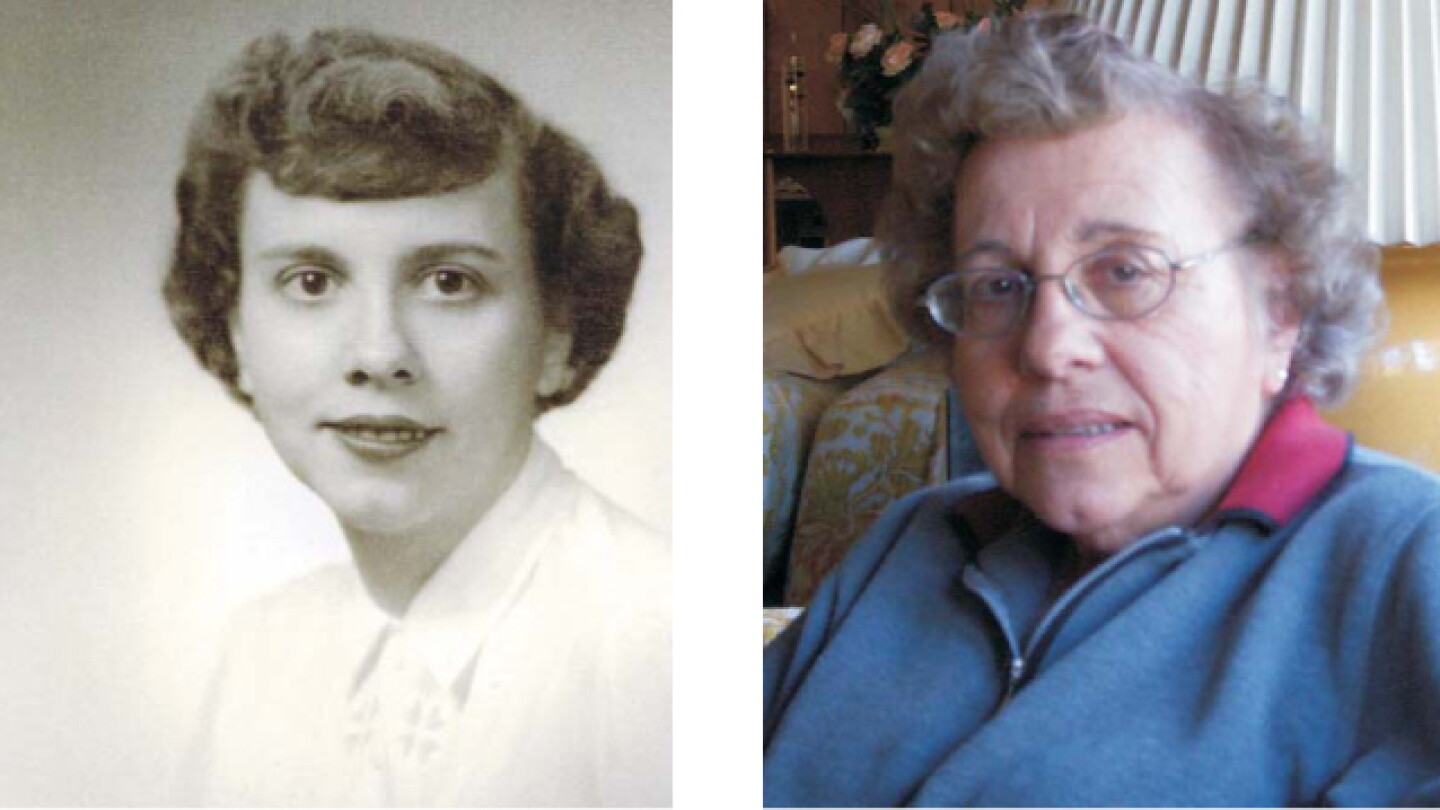
The history of computers has more than one woman going back to Ada Lovelace who worked with the Babbage "analytical engine" in the 1980s. Margaret Hamilton played a key role for NASA's Apollo program in the 1960s. Before she started working as a programmer in the Boston area, her plan was to go to grad school in theoretical mathematics and become a professor. The role that suited her better than being in academia led her to become the Director of then new Software Engineering Division of the MIT Instrumentation Laboratory. She joined the MIT Instrumention Lab specifically because it was involved with the Apollo space program.
October 7, 2026
October 8, 2026
"
Long before software engineering became a boys’ club — the exclusive domain of tech bros and a mythical force that threatens to either transform the world or snuff it out — it was just Margaret’s thing.
“There goes Margaret with her software engineering,” Margaret Hamilton recalled being ribbed by her colleagues in the 1960s at Massachusetts Institute of Technology’s Instrumentation Laboratory. Ms. Hamilton led the software engineering division there, programming the on-board computers that guided the Apollo spacecraft to the moon, and argued that software ought to be on the same plane as the then-more-glamorous endeavor of building hardware.
But her insight wasn’t seen as visionary at the time; it was more like a quirky inside joke.
Ms. Hamilton, who died last week at the age of 90, is a classic hidden figure in science history — a trailblazing woman who played a crucial, largely unseen role in a field where the protagonists were mostly men.
Her overlooked contributions were catapulted into the spotlight in recent years, propelled by the rediscovery of a charismatic photo taken in 1969. Ms. Hamilton, 5-foot-4, stands, grinning, next to an equally tall pile of printed-out software code. In 2017, the tableau was recreated by Lego, as part of a “women of NASA” set.
. . ."