Tag Archives | Ski Gear

The ’12 Mountain Top Picks: TheSkiDiva’s Second Annual Best-Of Awards

You may remember that last year, the ladies at TheSkiDiva.com took part in their first annual Best of the Year survey. You can see the results here.

Well, we’ve done it again.

Roll out the red carpet, contact ESPN, Sports Illustrated, and SKI and Powder Magazines. Because TheSkiDiva.com has chosen the best in ski gear, apparel, and resorts for the ’11-’12 season.

There’s no prize, no gold or crystal statuette. Just bragging rights to being the pick of the largest online community of women skiers on the planet.

So without further ado, here are the results (please hold your applause until all the winners are announced):


Ski Gear:

Favorite Front Side Carver: Volkl Kenja
Favorite Powder Ski: Rossignol S7W
Favorite All-Mountain Ski: Volkl Aura
Favorite Ski Boot Brand: Dalbello
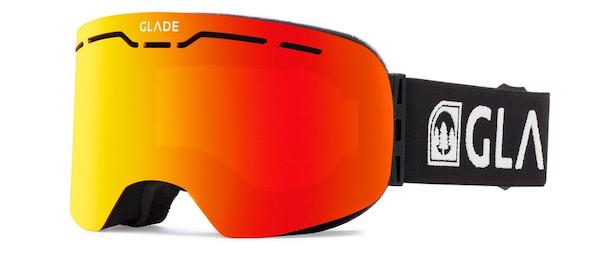
Favorite Goggle: Smith IO/S
Favorite Helmet: Smith Variant

Ski Apparel:

Favorite Baselayer brand: Smartwool
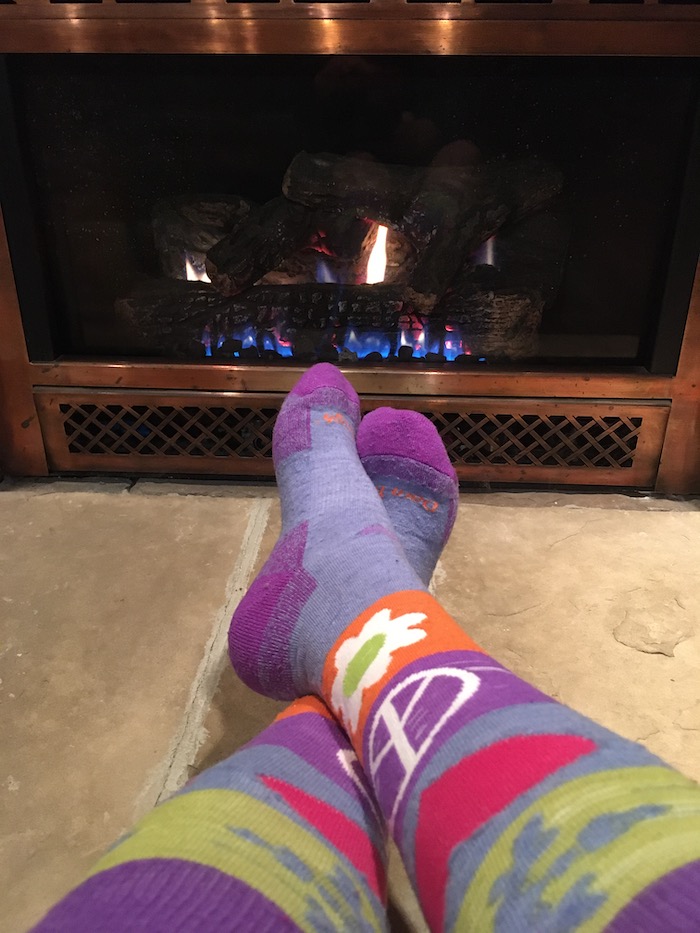
Favorite Ski Sock Brand: Smartwool
Favorite Jacket Brand: The North Face
Favorite Ski Pant Brand: The North Face
Favorite Glove or Mitten Brand: Hestra

Ski Resorts:

Favorite Eastern Resort: Killington
Favorite Western Resort: Alta
Favorite Midwestern Resort: Nub’s Nob
Favorite Eastern Canada Resort: Mont Tremblant
Favorite Western Canada Resort: Whistler Blackcomb
Favorite European Resort:  Val d’Isere
Favorite Women’s Ski Clinic: Roxy Ski Camp at Whistler

Big congratulations to all the winners!


Read full story · Comments { 2 }

On Pockets: The Forgotten Ski Accessory

So how do you feel about pockets? Are you for ‘em? Against ‘em? Or are you pocket  neutral?

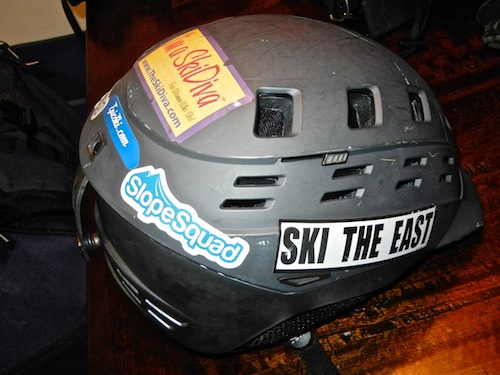
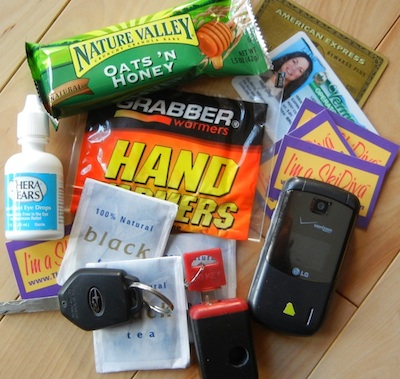
I happen to really like pockets, at least in ski jackets. Must be because of all the crap I carry. Let’s see….what do I have in here [rummage, rummage]….my license, a credit card, tea bags, SkiDiva stickers, an energy bar, handwarmers, my phone — you know, the essentials. Plus I need a place to stash stuff, as the day goes on. What if my glove liners come off? My gaiter? I need the r-o-o-o-o-o-m.

Some of the stuff from my pockets.

I can’t help but think I’m not alone. Skiing is a pretty equipment-intense sport. You need lots of things, so you have to have a place to put them..
But all jacket manufacturers don’t seem to feel that way. Because when I recently went jacket shopping,  I was shocked to learn that some jackets have hardly any pockets at all.

Case in point: I found a jacket I totally fell in love with. Great fit, beautiful color, good wind and water resistance, right amount of insulation. But — it only had two hand pockets. None on the inside at all. This wasn’t a crappy piece of merchandise, either. It was a $330. jacket made by TheNorthFace (yes, it was on sale). Did I get it? No. And yes, the pockets were the deal breaker.

It’s a matter of  functionality. Yes, of course I want to look good. And I can appreciate that a designer might feel that an extra pocket could interrupt the flow of design, the way the jacket hangs on the body, the way it looks.

All I have to say is, this designer must be someone who doesn’t ski.

I don’t think I’m asking for too much. But if you want to get into my pocket, first you gotta give me some pockets. Case closed.

Read full story · Comments { 4 }

Carrying on.

So how do you carry your skis?

This is no trivial matter. Carry them like this:

Looks uncomfortable, doesn't it?


And  you risk being labeled a gaper — someone who doesn’t have a clue. Some people carry their skis over their shoulders. That’s what I generally do, tails forward, though I’ve heard strong arguments for tips forward, too. I guess it just comes down to a matter of preference.

But not everyone likes to carry their skis that way. The bases can slip, causing the skis to shift around uncomfortably. And some people just find it awkward.

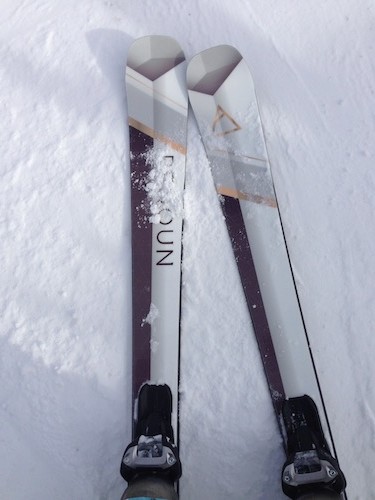
That must be why Ski-Lash sent me their ski carrier to review. It’s a harness of sturdy, nylon straps that wrap tightly around your skis and closes with velcro. The main feature is a padded handle, which lets you carry your skis like a suitcase:

According to Ski-Lash, the carrier can handle both skis and poles, though I found that a bit difficult to manage. Maybe it’s something I could do with practice. Anyway, I found it a pretty good alternative to my usual carrying method. The carrier is very sturdy and secure, and I didn’t worry about it coming apart and ditching my skis along the way. I think it’d be especially useful for kids, too, so they can learn to carry their own gear. And yes, there’s a junior-sized carrier available.

The upside:
It’s sturdy, well made, and pretty inexpensive. So if you’re having trouble carrying your skis, it’s definitely worth a try.

The downside:
Not so easy to fit your poles in with the skis, though that’s not a deal breaker for me.

My rating: two ski poles up.


Read full story · Comments { 2 }

Traveling with Skis.

Let me put this right up front.

I’m cheating this week. I’m actually writing this five days prior to the given post date. With good reason:  I’ll be in Big Sky then, and I’ll be waaaaaaay too busy skiing to sit around blogging.

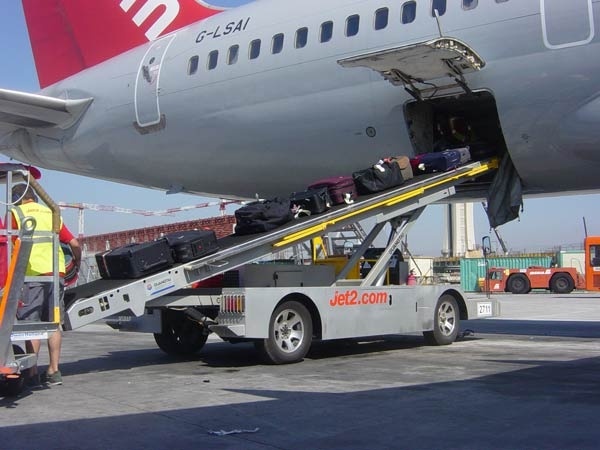
Which leads me to today’s topic: getting your ski gear ready for a flight. This is something I’m going to have to deal with in a day or two, so for me, it’s top of mind. Oh, I know some people ship their stuff to where they’re going in advance, but hey, I’m cheap. Plus I’m also a bit OCD about having my equipment with me. So I go through the agony of packing up, carting my stuff through the airport, and praying it  makes it to where I’m going, along with the rest of my stuff.

To be sure, I’m not the only person who does this. Which means there are thousands — even millions — of ways to pack your stuff. Everyone has their own system. And while mine may or may not be better than anyone else’s, it’s what works best for me. So in case you’re interested, here’s what I do:

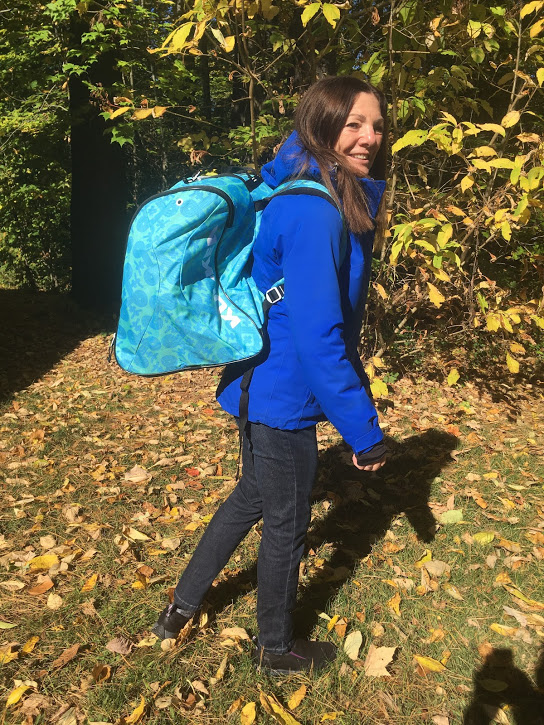
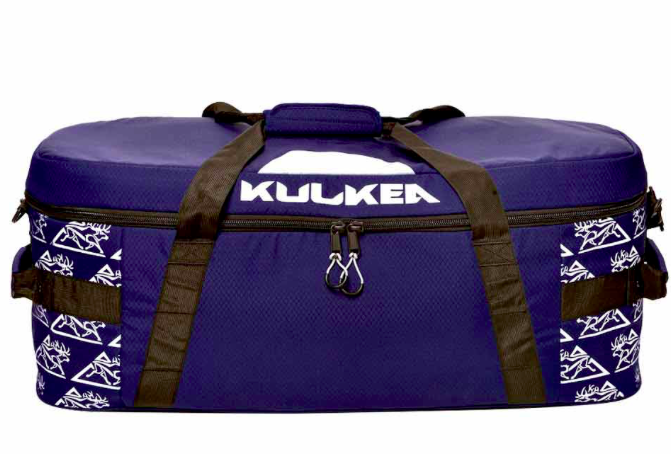
First, I never ever never — did I say never? — check my boots. I’ve worked too hard to get them to fit properly, and if they were lost, I’d have to spend a day or more in rentals, which could wreak enough havoc on my feet to make the rest of my stay unpleasant. So I put boots in a carry-on. I also fill the carry-on with a change of ski clothes, so if my luggage gets lost I’ll at least have clothing in which to ski. My bag of choice is a Transpack. The Transpack easily fits in the plane’s overhead compartment. And since it’s a backpack, it’s easy to carry through the airport.  The boots go in the boot compartments, and the clothes where the helmet ordinarily fits. Yes, I do bring a helmet. I just put it in my checked bag. Rightly or wrongly, I figure it’s the one piece of equipment I could do without, if I had to. Plus it makes the Transpack easier to squish into the overhead.

Now on to skis.

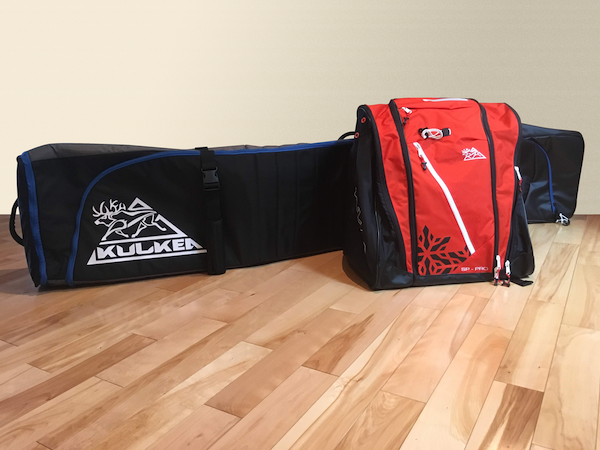
There are loads of ski bags out there: singles, doubles, cloth, hard-shell, wheeled, unwheeled. A few years ago I got a Sportube. It’s a hardshell, so it  provides a measure of protection that cloth ones don’t. And it’s wheeled, so it’s relatively easy to drag through the airport. My bag is a double, so it’s big enough to carry both my and my husband’s skis. I also surround the skis with base layers. This provides extra padding, and frees up my suitcase for other stuff.

See the base layers between the skis?

And here we’re all closed up, ready to go!

And that’s pretty much it. I also check a bag with my non-ski clothing. Now, I know some other Ski Divas just check their skis and bring everything else in a carry-on. I haven’t mastered that yet (unfortunately), even though I don’t bring a lot of stuff. As I said, there are many paths to the same goal: getting your gear to your destination. And as of right now, this is what works for me.

Next time I’ll talk about Big Sky.


Read full story · Comments { 0 }

Dear Santa,

Please forgive me. I know, it’s terrible that I only write you once a year, but I hate to be a bother when you’re on vacation. I’m sure you’re plenty pooped after the Christmas rush. I mean, visiting millions of homes in just a matter of hours can’t be easy. And  supervising all those elves — talk about labor problems! I picture you spending the rest of the year lounging on the beach, just you and Mrs. Claus, perhaps reading a book and drinking a frosty Margherita with an orange slice perched on the rim.

Anyway, now that Christmas is coming, I know you’re back on the job. So I thought I’d give you a hand with some gift ideas for all the good little Ski Divas out there. I’m sure many of them have already put in requests for  skis, boots, helmets, jackets, and so on. But there are other things Ski Divas might like, too. So here are some ideas:

* Lift Tickets: Leaving one or two in the stocking will make a Diva very, very happy. I know you’re probably too busy to go to the ticket window yourself, so if you can’t spare an elf to do the job for you, you can always buy on line at the resort’s web site. Or you can buy from a discount site like Liftopia.com or Lifttickets.com.

• A women’s ski clinic: I’ve listed a bunch in my last post, so take your pick. Why not help her improve her skiing? There’s a clinic for every ability, so pick the one that best suits her ability and geography.

• Bling: Ski Divas aren’t immune to a little bit of sparkle, and I know just the thing. TheSkiDiva earrings and necklace, made of sterling silver and handcrafted right here in Vermont. You can order them here.

TheSkiDiva necklace.


• Books. Conveniently enough, I’ve written two ski mysteries that are perfect for reading apres-ski, curled up by the fire with a mug of hot cocoa: DOUBLE BLACK: A SKI DIVA MYSTERY, and FADE TO WHITE. Both feature Stacey Curtis, a young woman who moves from Boston to a small Vermont ski town and becomes embroiled in intrigue and (gasp!) murder. Oh, and she skis a lot, too. For more info, go here.

• Fun Diva Stuff: If your elves can’t provide things with TheSkiDiva.com on them, I know where you can get them: TheSkiDiva store. There are mugs, hoodies, T-shirts, all sorts of stuff that Divas can use and wear to show their Diva pride.

TheSkiDiva Mug


Stocking stuffers: Hand and toe warmers, lip balm, sunblock, ski straps, energy bars, glove liners, ski locks, all the little things everyone tosses in their ski bag for a day on the slopes.

So there you  have it, Santa. Things that all the Divas can enjoy. Me? What do I want? Oh, how nice of you to ask. Snow! And lots of it! And while you’re at it, throw in an injury-free season. And if you, personally, can’t deliver either of these, then please put in a good word with The Man Upstairs. I’m sure you have some pull.

Happy Holidays,

Ski Diva


Read full story · Comments { 0 }

Save The White: Go Green!

If you love skiing — heck, if you love the planet – here are two words sure to send a chill down your spine:

Global warming.

For anyone who believes global warming is a myth, it’s time to re-evaluate your thinking. Even a study funded by the Koch Brothers (oil billionaires and devoted supporters of conservative causes) has confirmed that it’s real. Global warming is here, it’s already wreaking havoc, and in the better-late-than-never department, it’s time we did something about it.

So it’s encouraging to learn that some gear companies are working to reduce their carbon footprint. It’s not only responsible, but it makes good business sense. Without snow, there’s no skiing. And without skiing, they’re out of business.

Not long ago I posted about Soul Poles, a new company that’s making ski poles out of eco-friendly material. But Soul Poles isn’t the only one making an effort to be environmentally friendly. Here are a few others who are going green to save the white:

Grown Skis

Grown Skis: Grown sells the first ski with an individual ecological footprint calculation expressed in grams per cubic centimeter volume of ski, allowing customers to compare products by their ecological performance. The company makes its skis out of wood from sustainable forests in Europe. They also eliminate most non-natural materials in the top sheet, side walls, and reinforcements. Instead, they use volcanic basalt and recycled material. Grown skis claims to have the first climate neutral skis on the market, where the remainder of the carbon footprint has been offset with climate protection projects in Europe.

Liberty Envy Skis

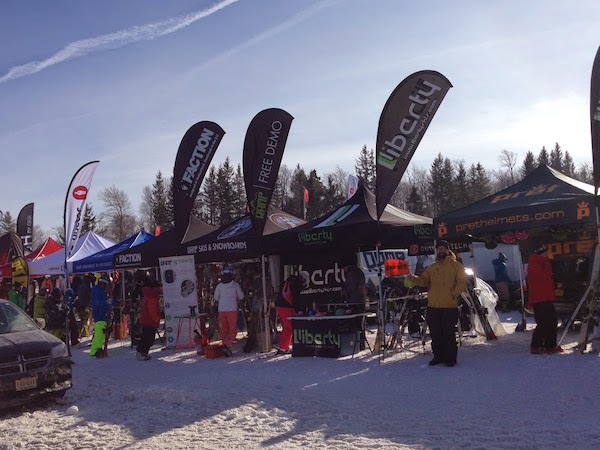
Liberty Skis: Liberty is the only ski company to use bamboo laminate as the core material in all of its skis. Not only is bamboo strong and lightweight,  but its fast growth makes it a sustainable resource.  The company also relies on wind power, and uses volcanic basalt fiber in its topsheets.

Grace Skis: Like Libery, Grace uses manufacturing processes that are respectful of the environment.  The company puts a priority on producing skis in the most environmentally responsible way possible. This means continuously evaluating materials for their eco-friendliness and implementing manufacturing techniques that reduce overall waste.


333 Ski's Factory-In-A-Trailer

333: This company is a hoot. You’ll have to pardon my comment, but their factory just blew me away. I mean, look at it (see the pic above). It’s a small, portable trailer that travels from one spot to another. The entire operation — skis, press, etc. — was built using recycled and abandonned parts. The company uses a solar generator to produce its skis, using under 10 oz. of petrol per pair.

Atomic: One of the big players in the ski industry. No matter; it’s still working to reduce its carbon footprint. Atomic revamped its manufacturing processes at its plant in Altenmarkt, Austria,  cutting its annual fuel oil consumption by 950,000 litres while lowering CO2 emissions by an estimated 4 million kg per year. It also filters and recyles all its grinding residue and gets its electricity from renewable energy sources. Recycling is also mandatory: 15 different types of waste are collected separately and recycled. Atomic has received two awards for developing the first ski boot from renewable raw materials.

Head: Another big player working to make a difference. Head has partnered with Cool Earth, an organization dedicated to protecting rain forests that might otherwise be destroyed. The company is committed to saving more than 7,000 acres of rain forest from destruction: the equivalent of 7,000 American football fields.

Patagonia: Few clothing companies have as big a commitment to the environment as Patagonia. They’ve actually made it part of their corporate culture. For example, the company has a program that allows employees to leave their jobs to work for the environmental group of their choice for up to one month, during which Patagonia pays their salaries and benefits, and environmental groups get them for free. They’ve also given more than $43 million to more than 1,000 environmental organizations. What’s particularly encouraging is that even though the company wants to sell you its products, they also want to make sure these items don’t end up in a landfill. So in addition to accepting  them for recycling, Patagonia has launched a web page on which people can sell their gently used Patagonia garments. And here’s something cool: you can track the impact of any Patagonia product, from design through delivery. Go here.

Conservation Alliance: This is a consortium of outdoor industry companies that disburses its collective annual membership dues to community-based campaigns to protect threatened wild habitat, preferably where outdoor enthusiasts recreate. Founded in 1989 by REI, Patagonia, The North Face, and Kelty, the Alliance has more than 180 member companies, and has contributed more than $9.5 million to conservation projects throughout North America.

1% For The Planet: I first learned about 1% from my intereview with Bryon Freidman at Soul Poles. 1% For The Planet is a group of companies that donate 1% of their sales to a network more than 2,600 environmental organizations worldwide. An admirable effort, and one that I wish more companies would make.

All these efforts are extremely commendable. But obviously, they’re only a drop in the bucket, when you consider all that needs to be done.  So while it’s important for more gear companies — heck, more companies of any sort — to commit to reducing their carbon footprint, it’s something all of us should get behind, too. What can you do? Buy green products (nothing speaks greener than green cash). Recycle. Reuse. Carpool when you go skiing. Better yet, take public transit, if at all possible. Every little thing we can do helps. And maybe all together, we can make a difference.

One more thing: I can’t wrap this up without referring once again to Alison Gannett’s Save Our Snow Foundation. I’ve featured Allson in this blog several times, and found her efforts truly inspiring. Not content to rest on her laurels as a world champion extreme skier, Alison  founded SOS in 2006. Its mission: to demonstrate that solutions to climate change can be cost-effective, actually increasing profitability while reducing pollution and increasing energy security and green sector jobs, while also saving our snowpack and our planet’s ecosystems. I urge you to visit her site and support her efforts.

Read full story · Comments { 2 }

A little bit of Soul.

How much thought do you give your ski poles?

I thought so. Not much.

To me, poles rank pretty far down on my list of gear. It’s sort of like this: skis first, followed by boots, clothes, helmet, and then way, way, way down at the bottom, poles.

Face it. Ski poles just aren’t sexy. I mean, we’re basically talking about a stick with a hand grip and a basket. There’s just not much to get excited about. But all this is about to change. Because the coolness factor for poles is going to jump considerably, thanks to a new company, Soul Poles.

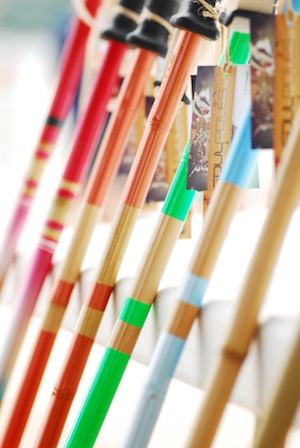
What’s Soul Poles? Basically, Soul Poles combines a contemporary idea – sustainable, environmentally-friendly ski gear —  with one that’s very old: bamboo.

Soul Poles is the brainchild of US Ski Team Members and World Cup Racers Bryon Friedman and Erik Schlopy, working in partnership with former US Alpine Team Head Coach, Phil McNichol. Quite a pedigree for a fledgling operation. But as high powered ski types, these guys bring a lot of cred to the table and provide the sort of excitement needed to market something most people see as pretty ho-hum. What’s more, they’re doing a lot more than just selling ski poles: they’re providing a piece of equipment that’s made in a way that doesn’t harm the environment. And as outdoor enthusiasts, that’s something we can all get behind.

I recently spoke to Bryon Friedman to find out more about his company.

A gaggle of Soul Poles.

Q: Bryon, tell me what led you to start Soul Poles.

A: I consider myself a product of my environment. I live in a beautiful place, and I want to conserve that as much as possible. Like a lot of people, I definitely see global warming as a threat. But I also think there are things we can do now to invoke change. This is particularly true in the ski industry, where there are all these products that are hard to recycle. We wanted to put the idea out there that you can reuse things to produce other products.

But we’re also entrepreneurs. And even though we wanted to be altruistic, that wasn’t our only motivation. We wanted to offer a sustainable product that we could successfully market. The idea of Soul Poles resonated with us.

Basically, we’re doing this for two reasons: To reduce our carbon footprint and to ignite change in the industry. It’s a worthy mission, and it’s something we’re hoping will catch on.

Q:  Bamboo is such a retro material. Years ago it was THE material for ski poles. So why’d you decide to use it now?

A: Well, one reason is we know it works. I was put in charge of all the research, looking into what we could source. Bamboo is highly renewable. It grows to full length in 90 days, it doesn’t need much water, and it doesn’t require any pesticides. It’s a grass, actually. But it has the tensile strength of steel, and it’s much stronger than the aluminum that most poles are made of. When you ski with it – there are over 2,000 species, and we’ve tested a bunch – it feels absolutely amazing.

Bamboo makes sense for a lot of reasons. There’s no compromise in strength or performance, and it’s extremely light. I took some of our poles heli-skiing with some people in Alaska, and everyone was really surprised by how light and strong they were.  We threw the poles in and out of the helicopter — banged them around quite a bit — with no problem. People are really excited that they’re sustainable, too. We put a bunch of prototypes in the rental market last winter and had no problems. Given the choice between a conventional pole and a Soul Pole, people choose a Soul Pole 90% of the time.

Q: I understand Soul Pole is also involved in recycling. Can you tell me something about that?

A: Part of our brand is not just to provide a sustainable, stylish pole, but to educate people that you can recycle ski products. Right now we have a partnership going with Recycle Utah. They’ve put out recycling bins to collect old poles for us. So far they’ve filled up two enormous bins, with very little PR. We can source some of the materials for our products this way or recycle them. We’re regrinding plastic to make our own grips and baskets.  We’re also going to use the recycled material we collect to make a handful of poles for local ski programs that need equipment, so we can give back to the community.

Soul Poles are made of recycled materials that are readily available. The key word here is available, since specific recycled materials are sometimes difficult to come by.  Currently we’re sourcing our grips and baskets from industrial-sized blender tops. We’re using hemp and recycled polyester for the straps, and we’re making our tips from a variety of recycled metals, such as aluminum and magnesium.  Cork and recycled tires aren’t readily available at the moment, but as they become more abundant we plan to use them as much as we can, if and when it makes sense.

Q: Soul Poles is an unusual name. What does it mean?

A: We chose it because we believe we’re giving soul to ski poles, an otherwise forgotten accessory. Between recycled materials and renewable resources and art design, our poles have soul because they’re extending the lives of other materials by combining them with bamboo.

Q: Are there different Soul Pole options available?

A: Right now we’re offering three different versions in sizes ranging from 44 to 55 inches. There’s our Original Soul, which comes in a natural bamboo color with a laser-engraved Soul Poles logo; our Vibrant Soul, that comes in a color designed by artist R. Nelson Parrish, also with the laser-engraved logo. And there’s our Limited Edition. We’ll only make 200 per design.They’re hand painted, with a color designed by R. Nelson Parrish, the laser-engraved Soul Poles logo, and a production number.

*     *    *

As skiers, it’s in our own best interest to keep our carbon footprint to a minimum, not only to prevent global warming, but to preserve the beauty of the environment in which we ski. Obviously, eco-friendly ski gear alone isn’t going to save the world, but every little bit helps.

Soul Poles isn’t the only company marketing ski equipment. Liberty Skis, for example, uses bamboo laminate cores in all of its skis, too; another terrific idea.

Another interesting point about Soul Poles: The company is part of 1% For The Planet, an organization of companies that donate 1% of their sales to a network more than 2,600 environmental organizations worldwide. Kudos to Soul Poles.

Read full story · Comments { 3 }

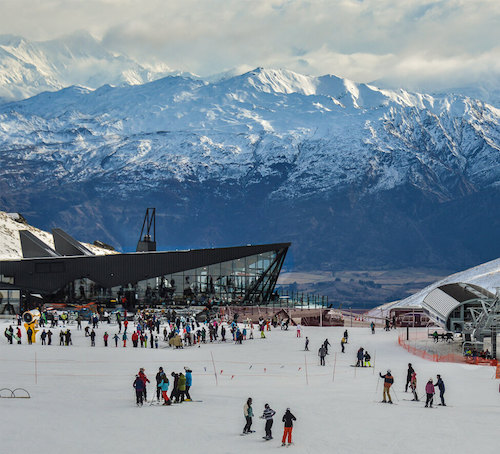
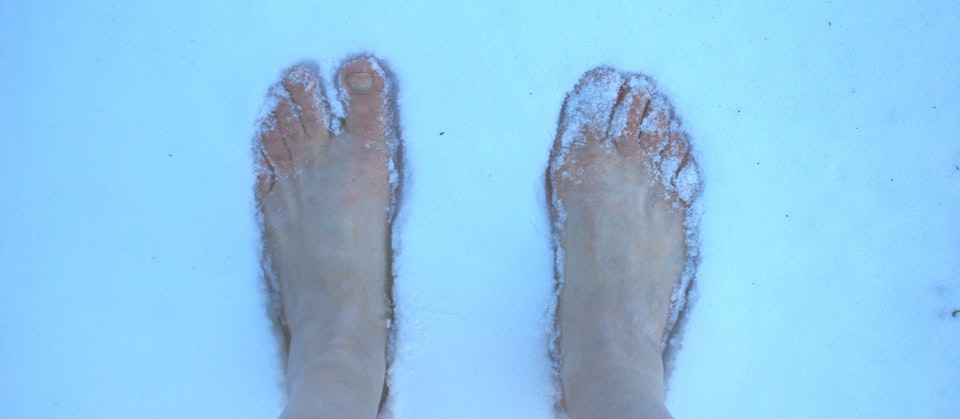
How cold is too cold to ski?

It differs for everyone.

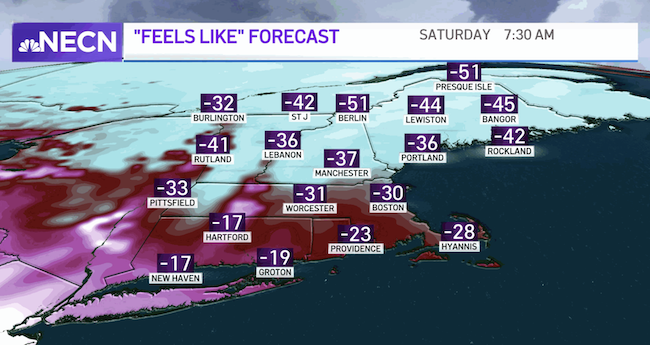
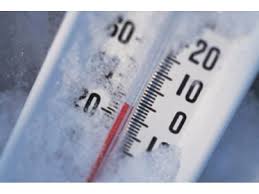
Right now I’m in Sugarloaf, Maine, a resort known for its extremely cold temperatures. The high today is forecast for -1°F, the low tonight, a bone-biting -22°F.

Yeah, that’s cold.

This is tough. I hate to be  cold, but I love to ski. So yes, I’ll still go out there. I’m not sure how long I’ll last, and I’ll probably have on everything I own to stay warm.  But this is New England. It’s January. The alternative is to stay indoors and wait for summer.

In case you’re interested, here’s what I’ll have on, from bottom to top:

Feet: Thin pair of ski sox, Hotronics boot warmers, Boot Gloves (these go over my boots) with a toe warmer heat pack placed underneath it.

Legs: three pair of base layers (Hot Chilly’s micro-fleece, Smart Wool, Mountain Hardware Power Stretch Tight), Cloudveil Madison Pants.

Torso: Thin baselayer followed by heavier one; Patagonia Nano Puff pullover; EMS Prima-Loft layering piece; Cloudveil Down Patrol jacket

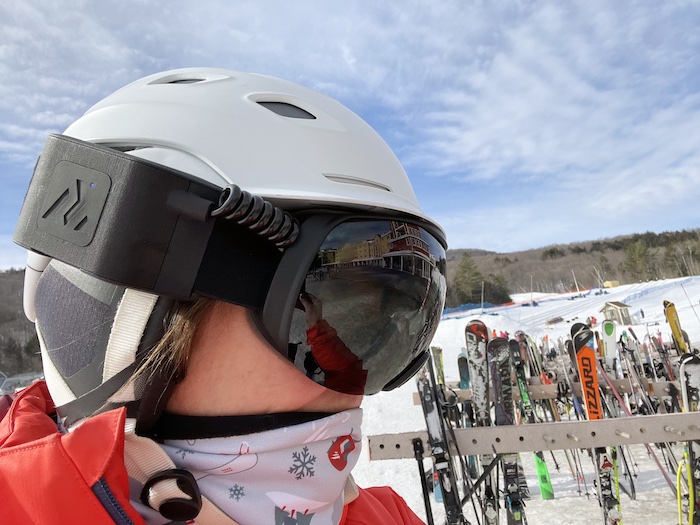
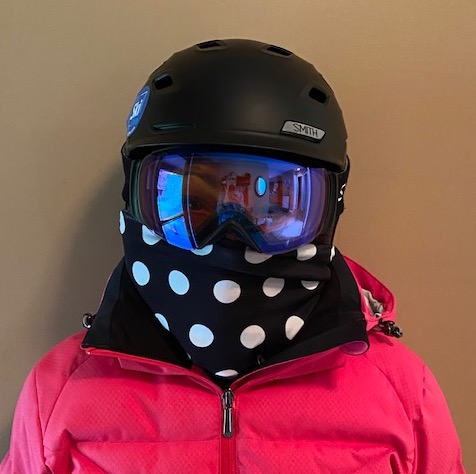
Face: Definitely a face mask & goggles

On my head: My Smith Variant helmet

Whew! Sounds like a lot to go through, just to have some outdoor fun. I feel kind of like an astronaut gearing up for a space walk. Or a scuba diver getting ready for a big dive. Will I look beautiful? No. Will I stay warm? Hopefully. Am I crazy? Probably.

As I said in the beginning, everyone’s tolerance of the cold is different. There’s even a discussion about it on TheSkiDiva.com.

The bottom line is you have to do what you can to stay as warm as possible, avoid frostbite, and have fun. Let’s hope that’s in the cards for me today.

Be sure to visit TheSkiDiva.com, an internet forum especially for women skiers, where women skiers can connect with one another to talk about everything and anything ski-related.

Read full story · Comments { 0 }

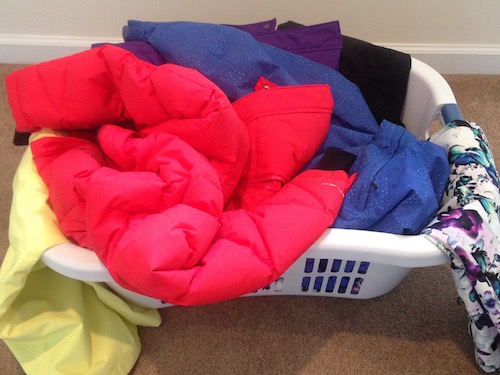
How many jackets does a Ski Diva need?


There’s no right or wrong answer. The number of jackets you need is a simple math problem: take the number you want and divide it by the amount you can afford. Then consider the conditions under which you want it for. Brutal cold? High winds? Spring skiing?

A lot to think about, huh?

There’s a jacket out there for every situation. The key is to find the one(s) that suit you best. And with all the end of season sales going on now, there’s no better time to go shopping.

Right now I have three ski jackets. Well, five if you throw in the two liners I can wear alone or as layers. And I think I’m covered in every situation.

Let me explain:

First, I have an unlined shell. A Cloudveil RPK. This is a pricey jacket, but I got it at half price at TJ Maxx, so it was a great deal. Nonetheless, even at full price it’s a terrific buy. Why? Basically, because it’s pretty much bombproof. Water resistant, wind proof, great alone for spring skiing, and when the temperature plummets, I can layer it with a down liner and be good to go.

Jacket #2: For above 15 degees or so, I have a Mountain Hardwear Steep Jacket. When I first tried it on, I thought it wasn’t heavy enough to be warm. Well, like about so many things, I was wrong.  Even though it’s lightweight, it’s insulated with something Mountain Hardware calls ThermoMicro insulation, which does the job nicely. It also features Conduit laminate (the company’s version of Goretex), pit zips, 20K of water- and wind-resistance, and a zip off hood. I even love the color.

Jacket #3:  Another Cloudveil. This is the Down patrol and it is W-A-R-M.  I wear this when it’s brutal out there — in the single digits and below — and it’s great. It has 650-fill goose down. windproof, pit zips. I love to ski, but I get cold easily. This does it for me. Again, another sale find.

To round things off, I have two liners that I can wear under any one of these, but which I typically wear under Cloudveil RPK. One is a Northface Thunder Jacket, which is extremely lightweight and WARM, thanks to 800-fill down, and the other is an EMS liner with 120g of Primaloft insulation.

On TheSkiDiva.com, we have a discussion going on called “Are you a jacket slut?” Some people have way more jackets than I do, some have fewer. I’m not sure I’ve reached jacket slut-dom yet, but I can try. After all, who knows what I’ll find on the clearance rack.


Read full story · Comments { 0 }

To buy or not to buy?

That, indeed, is the question.

Last season I vowed I’d buy nothing. Nadda. Zip. No new ski equipment at all.

Yeah, right.

Aside from skis, I bought all new everything: gloves, boots, poles, jackets (2 of these, actually), ski pants, base layers. You get the picture.

It’s really shameful. But the deals were just too good. I just couldn’t pass them up.

This year I vowed the same. After all, after last season, what else could I possibly need? Except I blew it already. During my visit to the outlets at Freeport, Maine (home of LL Bean), I succumbed. I ended up with a North Face Thunder Jacket (but it was just what I was looking for! And at such a good price!) and a classic ski sweater (perfect for book signings!).

Did I need these things? No. But skiing is my weakness, and need had nothing to do with it.

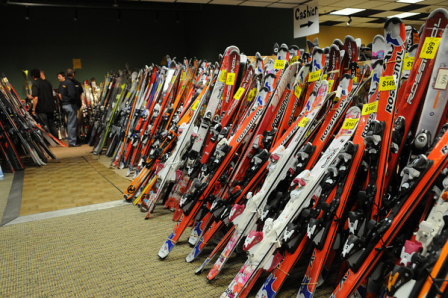
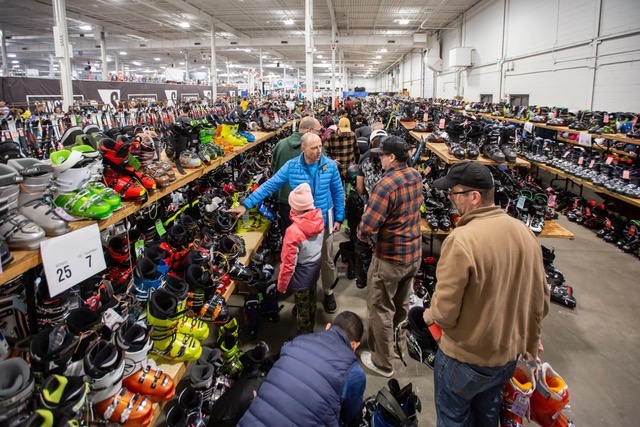
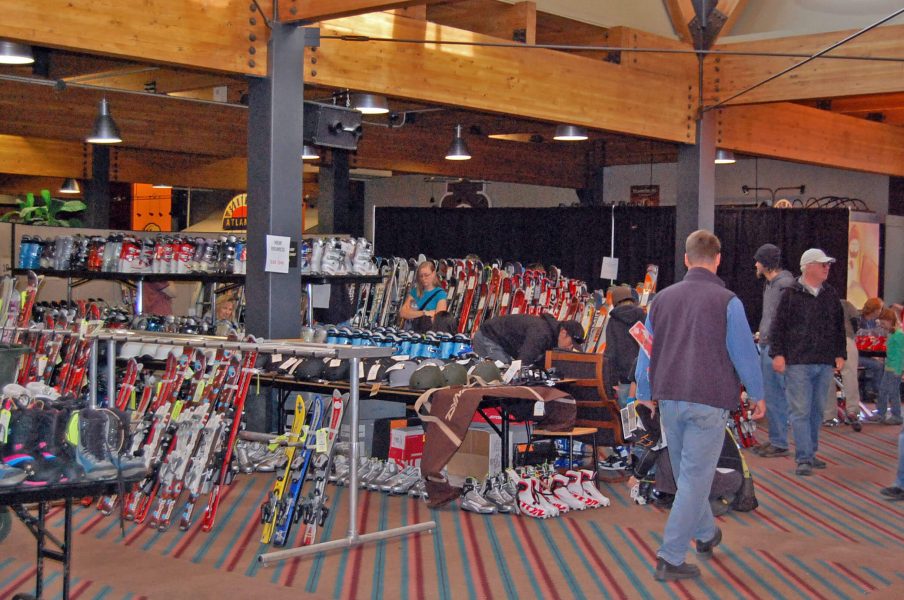
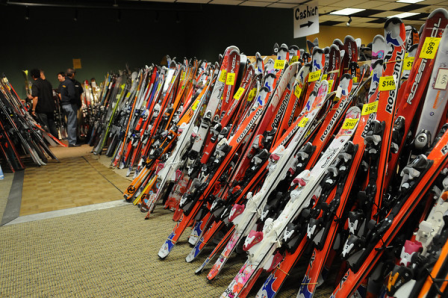
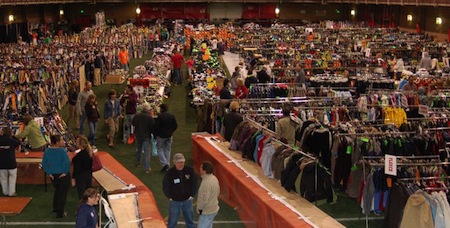
Anyway, my intention when I started this post was to direct you to a listing of the many ski swaps you can find this time of year; excellent sources for gear that’s either used or just left over from last year. Follow this link to a thread over at TheSkiDiva.

And happy shopping. Like me, you may find a deal that’s just too good to pass up.


Read full story · Comments { 0 }